
What to Eat in Rome: The Ultimate Food Guide
Rome is one of the world’s great food cities. Not fancy, not fussy – just honest ingredients cooked the way they’ve been cooked for generations. The best Roman food is simple, satisfying, and absolutely unforgettable.
Here’s everything you need to eat in Rome, from classic pasta to the perfect pizza slice.
The Classic Roman Pastas
Rome has four iconic pasta dishes. Master these and you understand Roman cuisine.
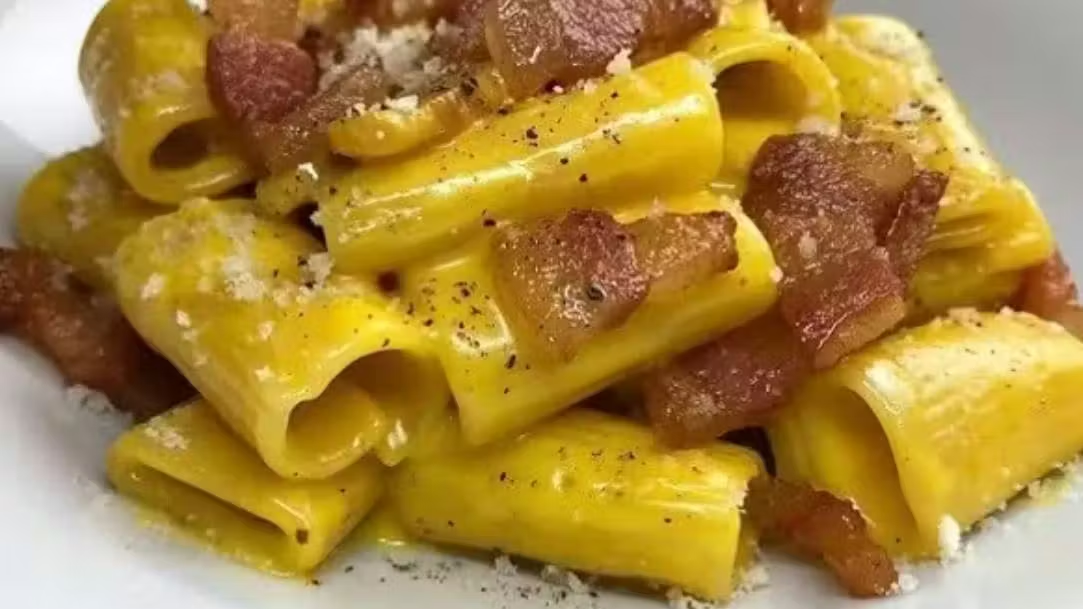
Carbonara
The king of Roman pasta. Guanciale (cured pork cheek), egg yolks, pecorino romano, and black pepper. No cream – ever. When done right, the sauce is silky and rich without being heavy.
Where to try it: Roscioli, Da Enzo, Felice a Testaccio.
Cacio e Pepe
Just three ingredients: pasta, pecorino cheese, and black pepper. Sounds simple, but achieving that creamy sauce without clumping is an art. When it works, it’s pure magic.
Where to try it: Roma Sparita, Felice a Testaccio, Flavio al Velavevodetto.
Amatriciana
Guanciale, tomato sauce, pecorino, and chili. Named after the town of Amatrice. It’s the tomato-based cousin of carbonara – bold, savory, and deeply satisfying.
Where to try it: Bucatini at Da Enzo, Trattoria Pennestri.
Gricia
The “white amatriciana” – guanciale, pecorino, and pepper without tomato. Some say it’s the original that became carbonara and amatriciana. Either way, it’s delicious.
Where to try it: Salumeria Roscioli, Trattoria Da Cesare.
Street Food Essentials
Romans invented fast food centuries before McDonald’s. These quick bites are essential eating.
Supplì
Fried rice balls filled with tomato risotto and stretchy mozzarella. The cheese pulls into strings when you bite – that’s why they’re called “supplì al telefono.” Perfect afternoon snack.
Where to try it: Supplì Roma, Trapizzino, any good pizzeria.
Pizza al Taglio
Roman pizza is thin, crispy, and sold by weight. Point at what you want, they cut it with scissors, and you pay by the slice. Toppings range from simple margherita to creative combinations.
Where to try it: Bonci Pizzarium (the best in Rome), Antico Forno Roscioli, Forno Campo de’ Fiori.
Porchetta
Slow-roasted pork with herbs, served in a sandwich. The crispy skin and tender meat are incredible. A specialty from the towns outside Rome, but available throughout the city.
Where to try it: Er Buchetto, Mercato Centrale Roma.
Trapizzino
A modern Roman invention – triangular pizza pockets filled with traditional stews and braises. The fillings change daily but classics include chicken cacciatore and tongue with salsa verde.
Where to try it: Trapizzino in Testaccio or Ponte Milvio.
Jewish-Roman Cuisine
Rome’s Jewish community has been here for over 2,000 years, creating a unique culinary tradition in the Ghetto neighborhood.
Carciofi alla Giudia
Jewish-style artichokes – deep-fried until crispy like a flower. Crunchy outside, tender inside. One of Rome’s most iconic dishes and only in season from February to April.
Where to try it: Nonna Betta, Ba’Ghetto, Sora Margherita.
Fiori di Zucca
Fried zucchini flowers stuffed with mozzarella and anchovy. Light, crispy, and addictive. Available spring through summer.
Where to try it: Same Jewish Ghetto restaurants.
Offal and “Quinto Quarto”
Traditional Roman cuisine uses every part of the animal – the “fifth quarter” that was left for workers at the old Testaccio slaughterhouse. Not for everyone, but authentic Rome.
Trippa alla Romana: Tripe in tomato sauce with mint and pecorino.
Coda alla Vaccinara: Braised oxtail, rich and falling off the bone.
Pajata: Veal intestines with the mother’s milk still inside. Very Roman.
Where to try it: Checchino dal 1887, Flavio al Velavevodetto, Agustarello.
Sweet Treats
Romans have a sweet tooth. These are the treats you shouldn’t miss.
Gelato
Roman gelato is exceptional. Look for natural colors, metal containers (not piled high), and the word “artigianale.” Avoid places near major tourist sites.
Where to try it: Fatamorgana, Giolitti, Come il Latte, Gelateria del Teatro.
Maritozzo
A soft brioche bun filled with an absurd amount of whipped cream. Traditional Roman breakfast, now trendy again. Best eaten early morning from a bakery.
Where to try it: Regoli, Pasticceria Bompiani, Roscioli Caffè.
Tiramisu
Not originally Roman, but done beautifully here. Creamy mascarpone, espresso-soaked ladyfingers, and cocoa. Light yet indulgent.
Where to try it: Pompi (the “tiramisu bar”), Roscioli.
Drinks
Espresso
Romans drink coffee standing at the bar. Order “un caffè” for espresso, “macchiato” with a drop of milk. In summer, try “caffè freddo” (cold sweetened espresso) or “granita di caffè” (coffee slush).
Aperitivo
The pre-dinner ritual. Spritz (Aperol or Campari), Negroni, or a glass of prosecco. Many bars offer free snacks with your drink between 6-9pm.
Best aperitivo spots: Salotto 42, Il Barretto, Freni e Frizioni in Trastevere.
Where to Eat by Neighborhood
Trastevere: Touristy but still good. Da Enzo, Tonnarello, Nannarella for pasta.
Testaccio: The traditional foodie neighborhood. Flavio, Felice, Agustarello.
Jewish Ghetto: Historic cuisine. Nonna Betta, Ba’Ghetto.
Centro Storico: Avoid tourist traps. Armando al Pantheon and Roscioli are worth it.
Monti: Hip and local. La Barrique, Ai Tre Scalini.
Food Tour Recommendation
A guided food tour is the best way to discover Roman cuisine. You’ll visit places you’d never find alone, learn the stories behind the food, and eat very, very well.
The best tours go through Testaccio or Trastevere and include market visits, multiple tastings, and plenty of wine.
Tips for Eating in Rome
Lunch is the main meal: Many Romans eat a big lunch and light dinner. Lunch menus often have better value.
Avoid tourist traps: If there’s a photo menu, someone outside pulling you in, or it’s right next to the Colosseum – keep walking.
Make reservations: Popular restaurants fill up. Book ahead for dinner, especially weekends.
Bread charge is normal: “Pane e coperto” (bread and cover) of €1-3 per person is standard and legal.
Service included: Most bills include service. Small tip for exceptional service is appreciated but not expected.
Final Thoughts
Roman food isn’t complicated. It’s about great ingredients treated with respect. A perfect carbonara, a crispy supplì, a glass of cold white wine on a warm evening – these simple pleasures are what eating in Rome is all about.
Come hungry, stay curious, and eat where Romans eat. Your taste buds will thank you.

Your guide to the best tours, authentic experiences, and hidden gems across Italy.
Plan your perfect Italian adventure.